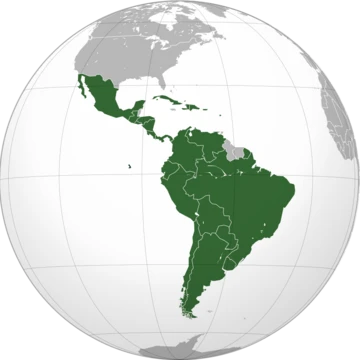
Lázaro Cárdenas
Mexican president who nationalized oil and redistributed land.
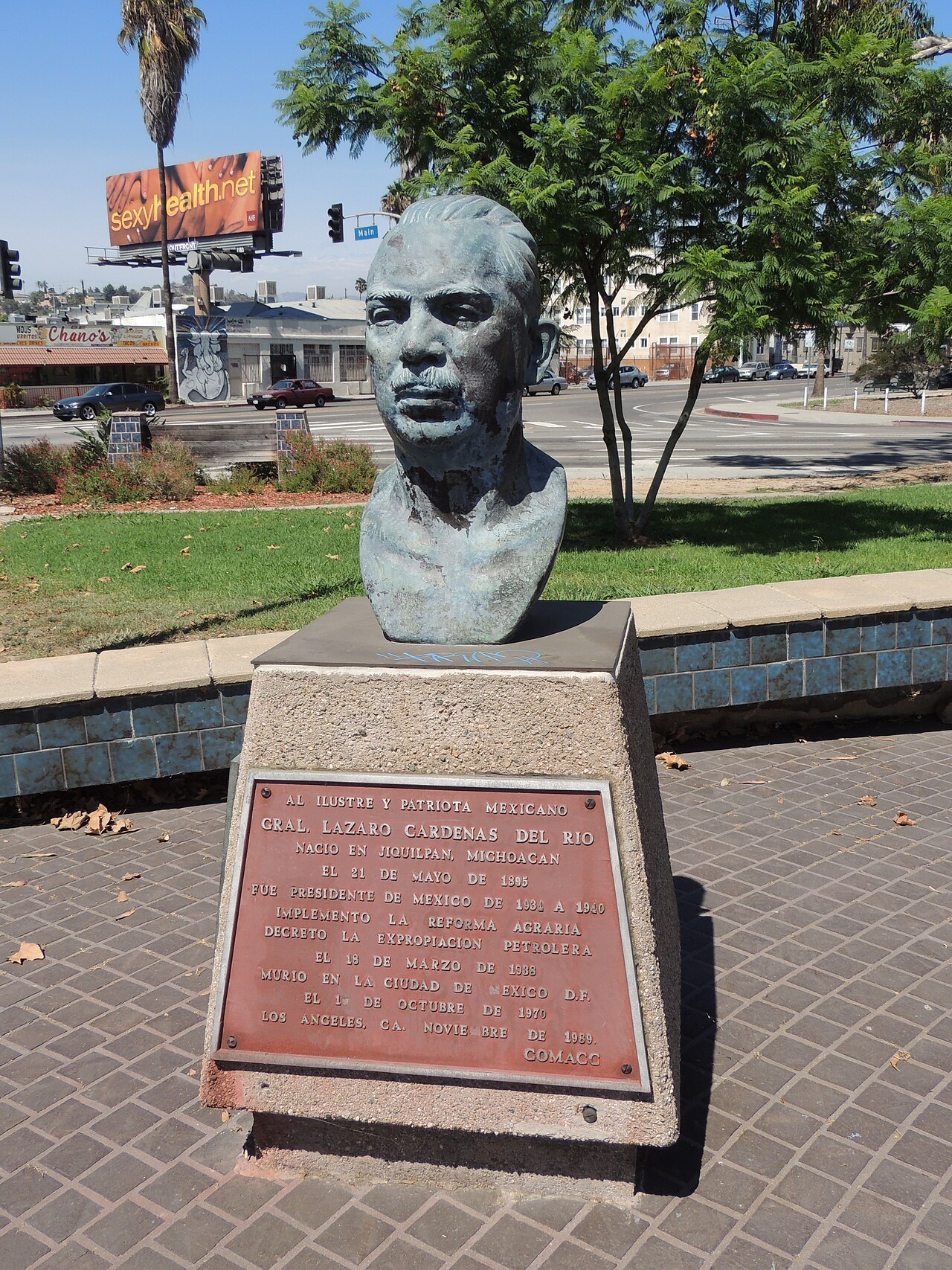
Lázaro Cárdenas del Río (21 May 1895 – 19 October 1970) was a Mexican revolutionary general, politician, and the 51st president of Mexico, serving from 1934 to 1940. His presidency is widely seen as the conclusion of the Maximato period. Before becoming president, he served as a general in the Constitutional Army during the Mexican Revolution, as Governor of Michoacán, and as head of the Institutional Revolutionary Party. He later became Secretary of National Defence. His administration is remembered for large-scale land redistribution, the nationalization of Mexico’s oil industry, and the creation of a welfare state.
Cárdenas was born into a working-class family in Jiquilpan, Michoacán. He joined the Mexican Revolution and rose to the rank of general in the Constitutionalist Army. Though he was not from Sonora—the state whose generals dominated Mexican politics in the 1920s—he was chosen as a presidential candidate by former president Plutarco Elías Calles and won the 1934 general election.
After the assassination of president-elect Álvaro Obregón, Calles had founded the National Revolutionary Party (PNR) and continued to wield power unofficially during the Maximato (1928–1934). He expected to retain this influence after Cárdenas took office. Instead, Cárdenas outmaneuvered him politically and forced Calles into exile. He restructured the PNR, renaming it the Party of the Mexican Revolution (PRM), organizing it around sectors representing peasant leagues, labor unions, and the Mexican Army. Bringing the military into the party was a deliberate move to reduce its political power and prevent future coups.
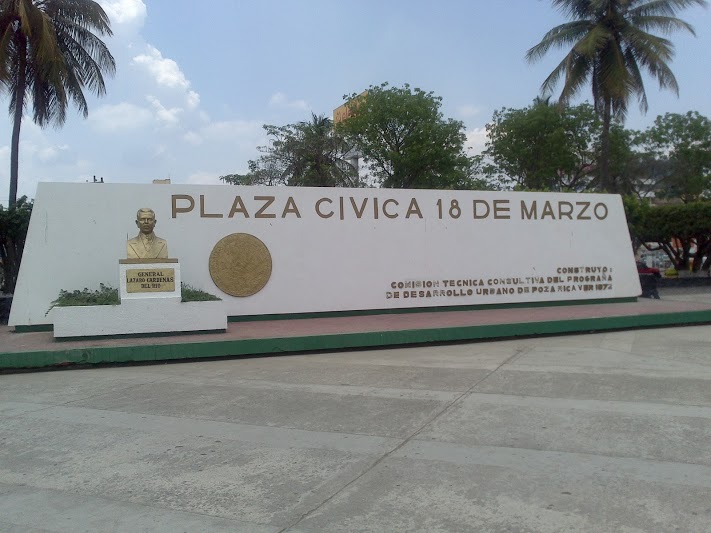
A left-wing economic nationalist, Cárdenas expropriated the country’s oil industry in 1938 and established the state-owned company Pemex. He also carried out extensive land reform, breaking up large estates and redistributing land as ejidos. He founded the National Polytechnic Institute (IPN) and El Colegio de México (Colmex). In foreign policy, he supported the Spanish Republic during the Spanish Civil War and gave asylum to its refugees. One of his notable achievements was peacefully handing over power in December 1940 to his successor, Manuel Ávila Camacho, a political moderate with no distinguished military record.
Cárdenas has been praised as the most effective radical of the Mexican Revolution for putting its ideals into practice, but also criticized as an authoritarian populist. He was the first post-revolutionary president to serve a six-year term (sexenio), a practice that continues. According to numerous polls and analysts, he is regarded as the most popular Mexican president of the 20th century.
Born on 21 May 1895 in Jiquilpan, Michoacán, Cárdenas was one of eight children in a lower-middle-class family. His father, Dámaso Cárdenas Pineda, owned a billiard hall. The family had prominent Purépecha ancestry. After his father died in 1911, Cárdenas, then 16, began supporting his mother and seven younger siblings. By age 18, he had worked as a tax collector, a printer’s devil, and a jail keeper. He left school at eleven but continued educating himself throughout his life, reading widely, especially history.
He initially wanted to become a teacher, but the Mexican Revolution drew him into the military after Victoriano Huerta overthrew President Francisco Madero in February 1913. Although Michoacán was far from the revolutionary action that had brought Madero to power, Cárdenas joined a group of Zapatistas. Huerta’s forces scattered the group, where Cárdenas had served as captain and paymaster. His leadership role reflected his skills, and his position as paymaster suggested he was seen as honest with money—traits that followed him throughout his career. He escaped federal forces in Michoacán and moved north, serving first under Álvaro Obregón, then Pancho Villa, and after 1915, under Plutarco Elías Calles, who served Constitutionalist leader Venustiano Carranza. Though from the southern state of Michoacán, his key revolutionary experiences were with the victorious northern Constitutionalists. He served under Calles, who assigned him military operations against the Yaqui Indians and Zapatistas in Michoacán and Jalisco, during which he rose to field command as a general. In 1920, after Carranza was overthrown by northern generals, Cárdenas was made a brigadier general at age 25. He was appointed provisional governor of Michoacán under the brief presidency of Adolfo de la Huerta.
Cárdenas was a political protégé of Calles, but his ideological mentor was General Francisco J. Múgica, a strongly anticlerical, secular socialist. President Calles appointed Cárdenas Chief of Military Operations in the Huasteca, an oil-producing region on the Gulf Coast. There, he witnessed firsthand how U.S. oil companies extracted oil, avoided taxes, and treated the area as conquered territory. Múgica was also posted to the Huasteca, and the two became close. During that time, Múgica told Cárdenas that socialism was the appropriate path.
- born
- 21 May 1895, Jiquilpan, Michoacán
- died
- 19 October 1970
- field
- Politics, military
- nationality
- Mexican
- known_for
- Land reform, oil nationalization, creation of Pemex, welfare state
Lore & Background
Born into a working-class family in Jiquilpan, Michoacán, Cárdenas joined the Mexican Revolution after Victoriano Huerta overthrew President Francisco Madero. He served under Álvaro Obregón, Pancho Villa, and Plutarco Elías Calles, rising to brigadier general by age 25. As governor of Michoacán from 1928 to 1930, he prioritized land reform, created ejidos, and opened rural schools. Hand-picked by Calles as a presidential candidate, Cárdenas won the 1934 general election. He outmaneuvered Calles politically, forcing him into exile, and restructured the National Revolutionary Party into the Party of the Mexican Revolution, incorporating peasant leagues, labor unions, and the army to reduce military power. During his presidency, he expropriated the oil industry, creating Pemex in 1938, and redistributed large estates as ejidos.
Reader's Guide
Cárdenas's presidency is considered the end of the Maximato, a period of unofficial rule by Calles. His left-wing economic nationalism led to the nationalization of oil and large-scale land reform, which reshaped Mexico's economy and society. He also founded the National Polytechnic Institute and El Colegio de México, and gave asylum to Republicans during the Spanish Civil War. His peaceful transfer of power to Manuel Ávila Camacho in 1940 set a precedent for democratic succession. Cárdenas has been praised as 'the greatest constructive radical of the Mexican Revolution' and criticized as an 'authoritarian populist.' He was the first post-revolutionary president to serve a sexenio, a practice that continues. Opinion polls and analysts rank him as the most popular Mexican president of the 20th century.
Did You Know?
- The six-year term (sexenio) was not established by the 1917 Constitution; it was introduced by the 1928 constitutional amendment and first applied to the 1934-1940 term under Cárdenas.
- He created the state-owned oil company Pemex in 1938.
- He forced Plutarco Elías Calles into exile after outmaneuvering him politically.
- He gave asylum to Republicans during the Spanish Civil War.
Revolutionary Roots and Military Ascent
Born in 1895 in Jiquilpan, Michoacán, as one of eight children in a lower-middle-class family of prominent Purépecha ancestry, Cárdenas lost his father at sixteen and was forced to support his mother and seven younger siblings. He held jobs as a tax collector, a printer's devil, and a jail keeper, and although his formal schooling ended at eleven, he remained a devoted reader of history throughout his life. The 1913 overthrow and murder of President Madero pulled him into the Revolution. He first joined a Zapatista group, serving as captain and paymaster—a dual role that signaled both natural leadership and a reputation for financial honesty. When federal forces scattered that unit, he moved north and served successively under Obregón, Villa, and ultimately Calles. Calles assigned him to operations against Yaqui Indians and against Zapatistas in Michoacán and Jalisco, during which he rose to field command. By 1920, at just twenty-five years old, he had been promoted to brigadier general, a remarkable achievement for a southerner in a revolution dominated by northern generals.
Dethroning the Maximato and Rebuilding the Party
Although Cárdenas was hand-picked as presidential candidate by Plutarco Elías Calles, the Sonoran general who had dominated Mexican politics through the Maximato era of 1928 to 1934, the two men harbored very different ambitions for the presidency. Calles expected to continue steering national policy from behind the scenes. Cárdenas, however, politically outmaneuvered his patron and forced him into exile, effectively terminating the era of unofficial rule. He then restructured the National Revolutionary Party, later renamed the Party of the Mexican Revolution, around a system of sectoral representation that wove together peasant leagues, labor union confederations, and the Mexican Army. The deliberate inclusion of the military within the party's internal architecture was a strategic move designed to strip the army of its capacity to intervene in politics through coups. This reorganization laid the institutional groundwork for a more stable, civilian-oriented political order in post-revolutionary Mexico and marked the true end of the Maximato.
Oil, Land, and the Architecture of a Welfare State
As a left-wing economic nationalist, Cárdenas pursued sweeping transformations of Mexico's economic landscape. In 1938, he led the expropriation of the country's oil industry and established the state-owned company Pemex, a direct response to the exploitation he had witnessed firsthand during his earlier posting in the Huasteca, where U.S. companies extracted oil, evaded taxes owed to the Mexican government, and treated the region as conquered territory. Simultaneously, he launched massive land reform programs that redistributed large estates to smallholders in communal units called ejidos. He also built institutions that would shape Mexican intellectual and technical life for generations, including the National Polytechnic Institute and El Colegio de México. His foreign policy extended solidarity to the Spanish Republican cause during the Civil War, offering them asylum on Mexican soil. Together, these measures constituted a comprehensive welfare-state framework that fundamentally reoriented the relationship between the Mexican state and its citizens.
Legacy, Controversy, and the Question of Power
Cárdenas's historical reputation remains deeply contested. Supporters have hailed him as the greatest constructive radical of the Mexican Revolution, crediting him with finally implementing the movement's core ideals after decades of rhetoric and unfulfilled promises. Critics, however, have labeled him an authoritarian populist, pointing to the centralized and top-down nature of his governance. What is undisputed is his decision in December 1940 to hand power completely to his successor, Manuel Ávila Camacho, a political moderate without a distinguished military background—a gesture of institutional restraint that was rare in Mexican political life. He was the first post-revolutionary president to serve a full six-year term, a practice that continues to this day. Decades later, numerous opinion polls and analysts consistently rank him as the most popular Mexican president of the twentieth century, a testament to the depth of the social and economic transformations he championed during his single term in office.
Gallery
Frequently Asked Questions
Who is Lázaro Cárdenas?
Lázaro Cárdenas del Río (1895–1970) was a Mexican military officer and politician who served as the 51st president of Mexico from 1934 to 1940. He rose through the ranks of the revolutionary army before entering civilian politics and ultimately taking the head of state role.
What is Lázaro Cárdenas most famous for?
He is best remembered for nationalizing Mexico's oil industry in 1938, a move that created the state-owned company Pemex. He also pushed through sweeping land redistribution and built out a social welfare framework that fundamentally reshaped Mexican society.
What was the Maximato and how did Cárdenas end it?
The Maximato was the informal period when former president Plutarco Elías Calles pulled the strings behind successive presidents, effectively steering the republic from the shadows. Cárdenas broke that pattern by asserting genuine presidential independence, ending Calles's grip and restoring real authority to the office.
What exactly happened during the 1938 oil nationalization?
Cárdenas expropriated the assets of foreign oil companies operating in Mexico, transferring ownership of the fields and infrastructure to the Mexican state. The action was a bold assertion of sovereignty over natural resources and it gave birth to Pemex, the state petroleum entity that still operates today.
What happened to Cárdenas after he left office in 1940?
In keeping with the revolutionary norm against re-election, he stepped down and returned to a quiet life in his home state of Michoacán. He lived out his remaining years in relative obscurity until his death in October 1970, and he is widely regarded by historians as one of Mexico's most consequential presidents.
More in Latin American Presidents 1-24
Spotted an error? Know more?
This is a living reference — every entry is fact-audited, and reader corrections feed straight into our audit queue. Suggest an edit · See this site's audit record