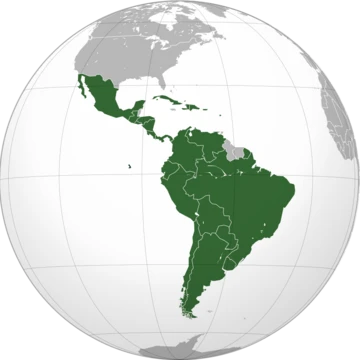
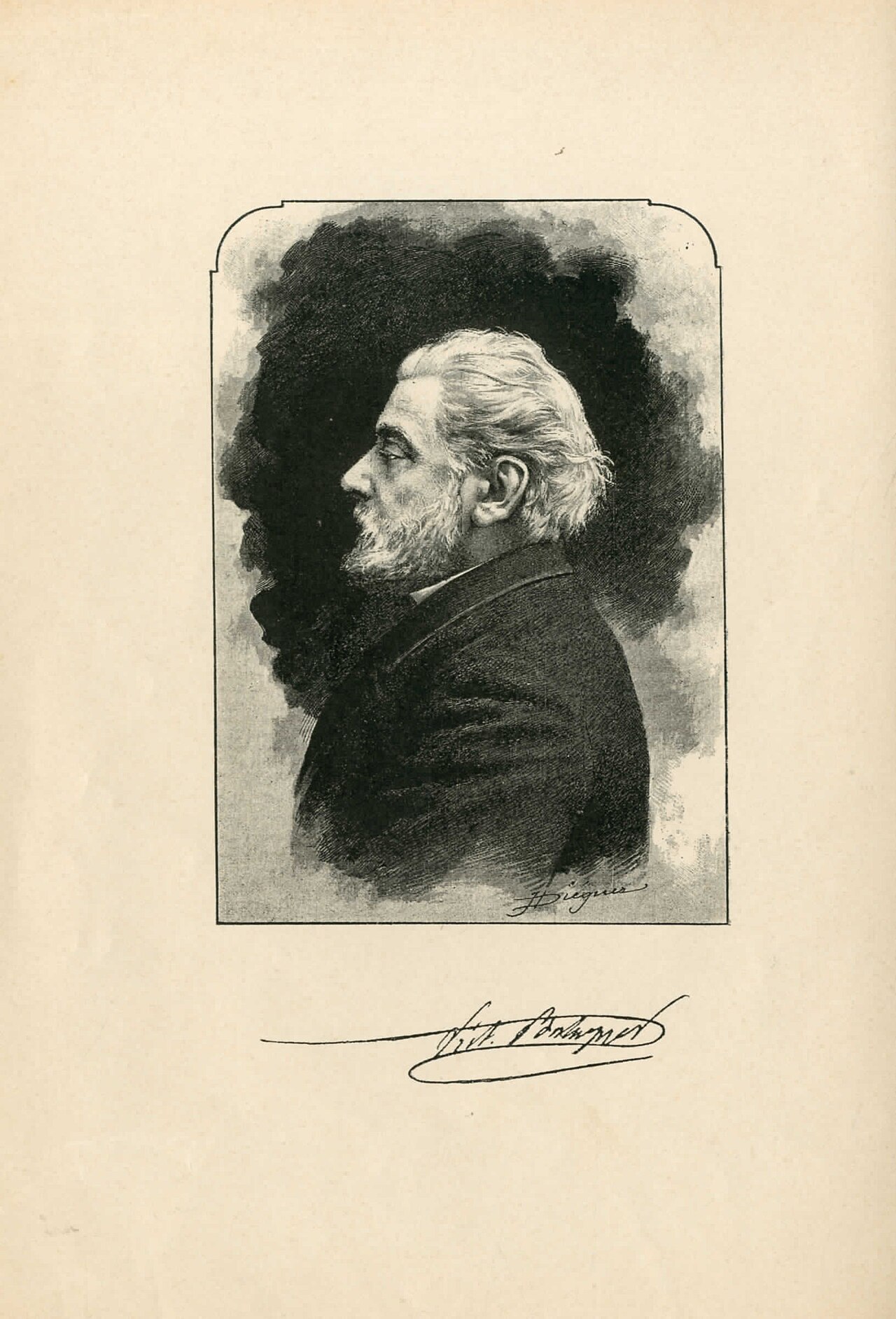
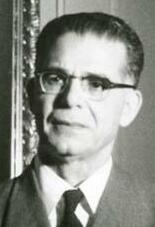
Joaquín Balaguer
Dominican president whose rule mixed repression with gradual reforms.

Desconociso · Public domain
Joaquín Antonio Balaguer Ricardo was a Dominican politician, scholar, writer, and lawyer who served as the 41st, 45th, and 49th president of the Dominican Republic across three non-consecutive terms from 1960 to 1962, 1966 to 1978, and 1986 to 1996. He previously served as the 24th vice president under President Héctor Trujillo from 1957 to 1960. His enigmatic, secretive personality was inherited from the Trujillo era, as was his desire to perpetuate himself in power through rigged elections and widespread human rights violations. He was considered to be a caudillo. Nevertheless, Balaguer was also considered instrumental in the liberalization of the Dominican government, overseeing major changes such as legalized political activities, surprise army promotions and demotions, promoting health and education improvements, and instituting modest land reforms.
- born
- 1 September 1906
- died
- 14 July 2002
- nationality
- Dominican
- known_for
- Three non-consecutive presidencies; human rights violations; liberalization of g
Verified Timeline
Lore & Background
Balaguer was born on 1 September 1906 in Navarrete, later named Villa Bisonó in the Santiago Province. His father was Joaquín Jesús Balaguer Lespier, a Spaniard native of Catalan and French ancestry born in Puerto Rico, and his mother was Carmen Celia Ricardo Heureaux, a half-cousin of President Ulises Heureaux. He was the only son in a family of several daughters. From a very early age, Balaguer felt an attraction to literature, composing verses published in local magazines. He was taught by Santiago-born educator and feminist writer Rosa Smester Marrero, whose influence on his intellectual formation he later recalled in his memoirs. After graduating, he earned a law degree from the University of Santo Domingo and studied briefly at the University of Paris I Pantheon-Sorbonne. As a youth, he wrote of the awe with which he was struck by the Harvard graduate and Puerto Rican political leader Pedro Albizu; Albizu's fiery and charismatic rhetoric captured Balaguer's imagination and foreshadowed his passion for politics and intellectual debate. His political career began in 1930 when he was appointed Attorney in the Court of Properties. He later served as Secretary of the Dominican Legation in Madrid (1932–1935), Undersecretary of the Presidency (1936), Undersecretary of Foreign Relations (1937), Extraordinary Ambassador to Colombia and Ecuador (1940–1943 and 1943–1947), Ambassador to Mexico (1947–1949), Secretary of Education (1949–1955), and Secretary of State of Foreign Relations (1953–1956). In 1957, when Trujillo arranged for his brother Héctor to be re-elected president, he chose Balaguer as vice president. Three years later, when pressure from the OAS convinced Rafael that it was inappropriate to have a family member as president, Trujillo forced his brother to resign, and Balaguer succeeded to the post. After Trujillo's assassination in May 1961, Balaguer initially remained president, with real power held by Trujillo's son Ramfis. They took steps to liberalize the regime, granting some civil liberties and easing censorship. Balaguer revoked the nonaggression pact made with Cuba in January 1961. Amid unrest, U.S. intervention, and a military coup, Balaguer resigned on 16 January 1962 and went into exile in New York and Puerto Rico. He returned in 1966, formed the Reformist Party, and defeated Juan Bosch in the presidential election, beginning his second term.
Reader's Guide
Balaguer's significance lies in his long, complex rule that shaped the Dominican Republic for decades. His first full presidency, known as 'The Twelve Years' (1966–1978), saw severe human rights abuses: according to Luisa de Peña Díaz, director of the Memorial Museum of Dominican Resistance, 11,000 people were tortured, imprisoned, forcibly disappeared or killed, including 1,200 political killings. He was considered a caudillo who perpetuated himself through rigged elections. Yet he also liberalized the government, legalized political activities, made surprise army promotions and demotions, promoted health and education improvements, and instituted modest land reforms. During his years as president, Balaguer ordered the construction of schools, hospitals, dams, roads, and many important buildings. He presided over steady economic growth, funded public housing, opened public schools, and expanded education. Over 300 politicians became millionaires during his presidency. His third term (1986–1996) continued his influence. Balaguer remains a deeply polarizing figure, remembered both for his repressive methods and for his role in stabilizing and modernizing the country after years of turmoil.
Did You Know?
- Balaguer was the only son in a family of several daughters.
- He was a half-cousin of President Ulises Heureaux through his mother's side.
- As a youth, Balaguer was deeply impressed by the fiery rhetoric of Puerto Rican political leader Pedro Albizu, a Harvard graduate.
- Between 1966 and 1978, 11,000 people were tortured, imprisoned, forcibly disappeared, or killed under his regime, including 1,200 political killings.
- Over 300 politicians became millionaires during his presidency.
Early Life and Intellectual Formation
Born on 1 September 1906 in Navarrete, later renamed Villa Bisonó, in Santiago Province, Balaguer came from a family woven with Dominican and European threads. His father, Joaquín Jesús Balaguer Lespier, was a Puerto Rico-born Spaniard of Catalan and French descent; his mother, Carmen Celia Ricardo Heureaux, carried French blood through her lineage and was a half-cousin of President Ulises Heureaux. As the sole son among several sisters, the young Balaguer revealed a precocious love of letters, publishing verses in local magazines well before reaching adulthood. His intellectual shaping owed much to Rosa Smester Marrero, a Santiago-born educator and feminist writer he later credited in his memoirs as a profound influence. He went on to earn a law degree from the University of Santo Domingo and spent a brief period at the University of Paris I Pantheon-Sorbonne. A formative encounter with Puerto Rican political leader Pedro Albizu, a Harvard graduate whose fiery rhetoric seized the young Balaguer's imagination, foreshadowed his lifelong devotion to political debate and intellectual engagement despite the two men's profound ethical differences.
A Long Political Apprenticeship
Balaguer entered public service in 1930, before Rafael Trujillo took control of the government, when he was appointed Attorney in the Court of Properties. Over the following decades he accumulated an extraordinary breadth of governmental experience. He served as Secretary of the Dominican Legation in Madrid from 1932 to 1935, then held roles as Undersecretary of the Presidency in 1936 and Undersecretary of Foreign Relations in 1937. His diplomatic portfolio expanded to include Extraordinary Ambassador to Colombia and Ecuador across two stints (1940–1943 and 1943–1947), followed by Ambassador to Mexico from 1947 to 1949. Domestically, he served as Secretary of Education from 1949 to 1955 and as Secretary of State of Foreign Relations from 1953 to 1956. This remarkable span of legal, diplomatic, educational, and foreign-policy roles positioned him as one of the most seasoned figures in Dominican public life. In 1957, when Trujillo arranged for his brother Héctor to be re-elected president, he selected Balaguer as vice president—a role that would ultimately propel him toward the highest office in the nation.
The Crisis of 1961 and the Council of State
The assassination of Rafael Trujillo in May 1961 shattered the political order and thrust Balaguer into a precarious presidency. Real power initially rested with Trujillo's son Ramfis, who attempted modest liberalization—easing press censorship and granting limited civil liberties—while Balaguer revoked the nonaggression pact with Cuba. These half-measures satisfied neither the populace, who craved deeper freedom and wealth redistribution, nor the hard-line Trujillo loyalists led by Héctor and José Arismendi Trujillo. As OAS economic sanctions continued over the attempted murder of Venezuelan President Betancourt, Ramfis warned of civil war. By late October the Trujillo brothers fled the country, but opposition parties demanded Ramfis's removal as well. He resigned on 17 November and went into exile. With US marines patrolling Dominican waters and Air Force general Echavarría bombing pro-Trujillo forces, a January 1962 compromise produced a seven-member Council of State led by Balaguer, incorporating opposition members and replacing both Congress and the presidency. However, popular unrest continued, and on 16 January Balaguer resigned. Echavarría staged a coup, but was arrested two days later. The Council of State was restored under Rafael Bonnelly, and Balaguer went into exile.
The Contradictions of a Caudillo's Legacy
Balaguer's three non-consecutive presidential terms—1960 to 1962, 1966 to 1978, and 1986 to 1996—left a deeply ambivalent mark on Dominican history. His enigmatic, secretive style and appetite for self-perpetuation through rigged elections and human rights abuses earned him the label of caudillo. According to Luisa de Peña Díaz, director of the Memorial Museum of Dominican Resistance, between 1966 and 1978, 11,000 people were tortured, imprisoned, forcibly disappeared, or killed under his regime, including 1,200 political killings. Yet his tenure also witnessed genuine liberalization: legalized political activities, surprise army promotions and demotions that disrupted military entrenchment, improvements in public health and education, and modest land reforms. This duality—authoritarian repression alongside meaningful social progress—remains the defining tension of his legacy, a leader who simultaneously constrained and expanded the boundaries of Dominican political life across nearly four decades of intermittent rule.
Gallery
Frequently Asked Questions
Who is Joaquín Balaguer?
Joaquín Antonio Balaguer Ricardo was a Dominican lawyer, writer, and politician who held the presidency three separate times between 1960 and 1996. He is one of the most dominant and controversial figures in Dominican political history.
What are Joaquín Balaguer's powers/role?
As president of the Dominican Republic, Balaguer exercised full executive authority, but he consistently reshaped elections to stay in office and suppressed political opposition. His rule blended authoritarian control with selective economic modernization and gradual liberalization.
How does Joaquín Balaguer's story end?
Balaguer died on 14 July 2002 at the age of 95, closing out a political career that spanned more than four decades. His legacy remains sharply divided: some credit him with infrastructure growth, while others condemn him for rigged elections and human rights abuses.
Why is Joaquín Balaguer important?
He dominated Dominican politics for over thirty years and personifies the difficult transition out of the Trujillo dictatorship into a more open, though still flawed, democratic system. His three non-consecutive terms make him a central reference point for understanding modern Dominican governance.
What is Joaquín Balaguer's connection to the Trujillo era?
Balaguer served as the 24th vice president under Rafael Trujillo's son Héctor Trujillo from 1957 to 1960, placing him directly inside that authoritarian regime. Biographers note that his secretive temperament and appetite for perpetual power were heavily shaped by his years operating within the Trujillo system.
More in Latin American Presidents 25-30
Elsewhere in the Latin American Presidents universe
Spotted an error? Know more?
This is a living reference — every entry is fact-audited, and reader corrections feed straight into our audit queue. Suggest an edit · See this site's audit record