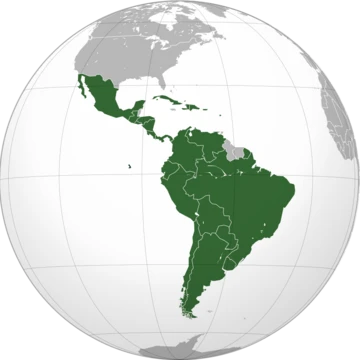
Leonel Fernández
Dominican president focused on technology, infrastructure, and economic stability.

Agustin Fernandez · CC BY-SA 4.0
Leonel Antonio Fernández Reyna (born 26 December 1953) is a Dominican lawyer, academic, and politician who served as the 50th and 52nd President of the Dominican Republic from 1996 to 2000 and from 2004 to 2012. He was the first elected president under the Dominican Liberation Party (PLD) and later founded the People's Force party. His administrations focused on technological and infrastructural development, macroeconomic stability, and monetary stability.
- born
- 26 December 1953
- field
- Law, academia, politics
- nationality
- Dominican
- known_for
- 50th and 52nd President of the Dominican Republic; President of the EU–LAC Foundation (2016–2020); President of the World Federation of United Nations Associations (2018–2022)
Verified Timeline
Lore & Background
He was elected to a second term in 2004 with 57% of the vote, following the collapse of the Dominican economy under the Mejía administration. His third term began in 2008 after winning the PLD primary with 72% and defeating Miguel Vargas with 53% of the vote. During this term, the Dominican Republic remained the fastest growing economy in Latin America despite an international economic crisis. Fernández resigned as party president of the PLD on 20 October 2019 and later founded the People's Force, nominating himself as its presidential nominee.
Reader's Guide
Leonel Fernández's significance lies in his three non-consecutive presidential terms that reshaped the Dominican Republic's economic and infrastructural landscape. His first term saw the highest economic growth rate in Latin America, driven by foreign investment and mega-projects, earning the country comparisons to Singapore. His second and third terms focused on macroeconomic stability, though critics noted social issues lagged behind economic gains. Fernández also played a regional diplomatic role, hosting the Rio Group summit in 2008 where he helped resolve a dispute between Ecuador, Colombia, and Venezuela, for which he received the World Peace Culture Award. His legacy is mixed: he is credited with modernizing infrastructure and maintaining monetary stability, but corruption accusations—including embezzlement from a job program and improper contract awards—have shadowed his tenure. After leaving office, he led the EU–LAC Foundation and the World Federation of United Nations Associations, extending his influence internationally. His founding of the People's Force party marked a shift from the PLD, reflecting ongoing political realignments in the Dominican Republic.
Did You Know?
- Fernández lived much of his childhood and early adulthood in New York City, primarily in the Washington Heights neighborhood.
- He was a close pupil of former Dominican President Juan Bosch and accompanied him as vice-presidential candidate in the 1994 election.
- During his first term, he said the Dominican Republic 'could be the Singapore of the Caribbean' when developers proposed the country's first modern port.
- He received the World Peace Culture Award on 6 April 2008 for his role in resolving a dispute between Ecuador, Colombia, and Venezuela at the Rio Group summit.
Early Life & Political Formation
Leonel Antonio Fernández Reyna was born on December 26, 1953, in Villa Juana, Distrito Nacional, the son of sergeant major José Antonio Fernández Collado and Yolanda Reyna Romero. In 1962 his family relocated to New York City, settling in Washington Heights, a dense Manhattan neighborhood that served as a gathering point for Dominican immigrants. After finishing high school, Fernández returned to the Dominican Republic in 1968 to study law at the Universidad Autónoma de Santo Domingo. His political identity was forged in 1973, when he left the Dominican Revolutionary Party to join the newly created Dominican Liberation Party (PLD), founded by former president Juan Bosch. Fernández became a close intellectual disciple of Bosch, a mentorship that shaped his worldview for decades. That bond reached its public apex in 1994, when Fernández ran as Bosch's vice-presidential candidate in the national election, embedding him firmly within the PLD's leadership and laying the groundwork for his own presidential bid two years later.
The 1996 Election & First Presidential Term
The 1996 race was born out of acute political crisis. The 1994 vote, which had returned Joaquín Balaguer to office, was broadly rejected by opposition leader José Francisco Peña Gómez, and international observers feared a slide into civil unrest. The negotiated 'Pact for Democracy' produced a special May 1996 election, with Balaguer agreeing to withdraw. In the first round on May 16, Fernández took second place with 38.9 percent behind Peña Gómez, while the PRSC's Jacinto Peynado managed a dismal 15 percent—the worst showing in that party's history. A 'Patriotic Front' coalition then carried Fernández to a 51.2 percent runoff win on June 30; he was sworn in on August 16. His first administration drove an average annual growth rate of seven percent, the highest in Latin America and comparable to South Korea and China, while holding inflation in the low single digits. In Santo Domingo and Santiago, home to forty percent of the population, he pushed 'mega-projects'—highways, tunnels, and the creation of OMSA, the metropolitan bus authority. He also courted foreign direct investment and, when developers proposed the country's first modern port, declared the nation could become 'the Singapore of the Caribbean.'
The 2004 Victory & Second Term
Fernández's 2004 return to the presidency was inseparable from economic disaster. The Mejía government had inherited a fragile fiscal position and then absorbed a triple shock: surging oil prices, the post-9/11 global slowdown, and the failure of three major banks—Banco Intercontinental, Bancrédito, and Banco Mercantil. To avert a full financial collapse, the state effectively underwrote all three institutions, repaying depositors but inflating public debt to dangerous levels. Several of the bankers involved have faced or are facing criminal proceedings, yet the true scale of their fraud remains elusive, partly because their extensive patronage ties to officials in both the Fernández and Mejía governments have made a clean accounting nearly impossible. Against a backdrop of widespread public frustration, Fernández captured an absolute majority of 57 percent on May 16, 2004—the second-highest share in Dominican electoral history. Sworn in on August 16, his second administration continued to prioritize macroeconomic and monetary stability alongside technological and infrastructural modernization.
Post-Presidency & International Engagement
After stepping down in 2012, Fernández remained a central figure in Dominican and transnational political life. He led the Dominican Liberation Party as its president from 2001 until his resignation on October 20, 2019. Shortly after leaving the PLD, he established a new political vehicle, the People's Force, and put forward his own name as its presidential candidate. Beyond domestic politics, Fernández assumed prominent international institutional roles. From 2016 to 2020 he headed the EU–LAC Foundation, an organization dedicated to policy dialogue between Europe and Latin America. He also served as president of the World Federation of United Nations Associations from 2018 to 2022 and holds membership in the Inter-American Dialogue. These positions underscore a career that stretched well past the walls of the presidential palace in Santo Domingo, casting him as a participant in hemispheric and transatlantic governance. His arc—from a law student in a Dominican capital to a leader of European-Latin American institutional cooperation—reflects a sustained commitment to democratic development across multiple continents.
Gallery
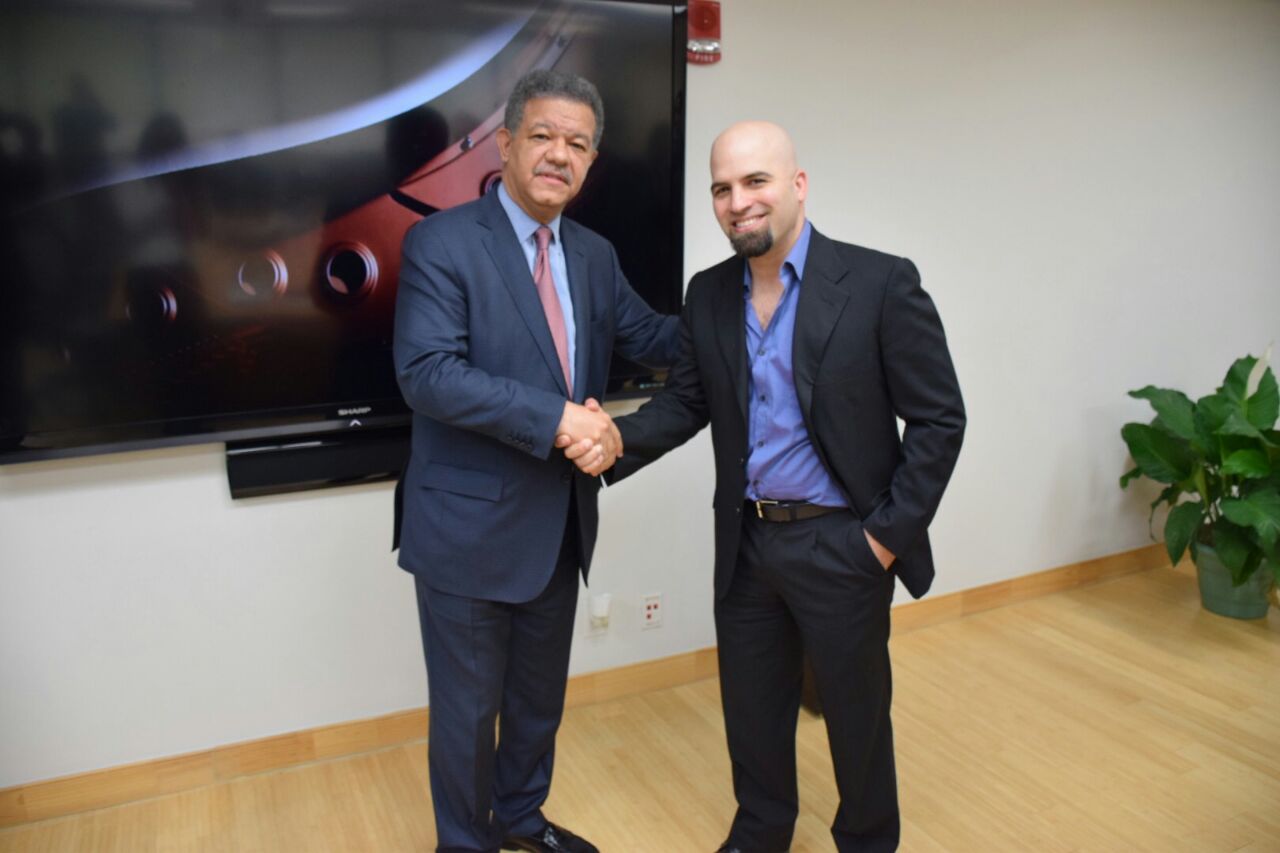
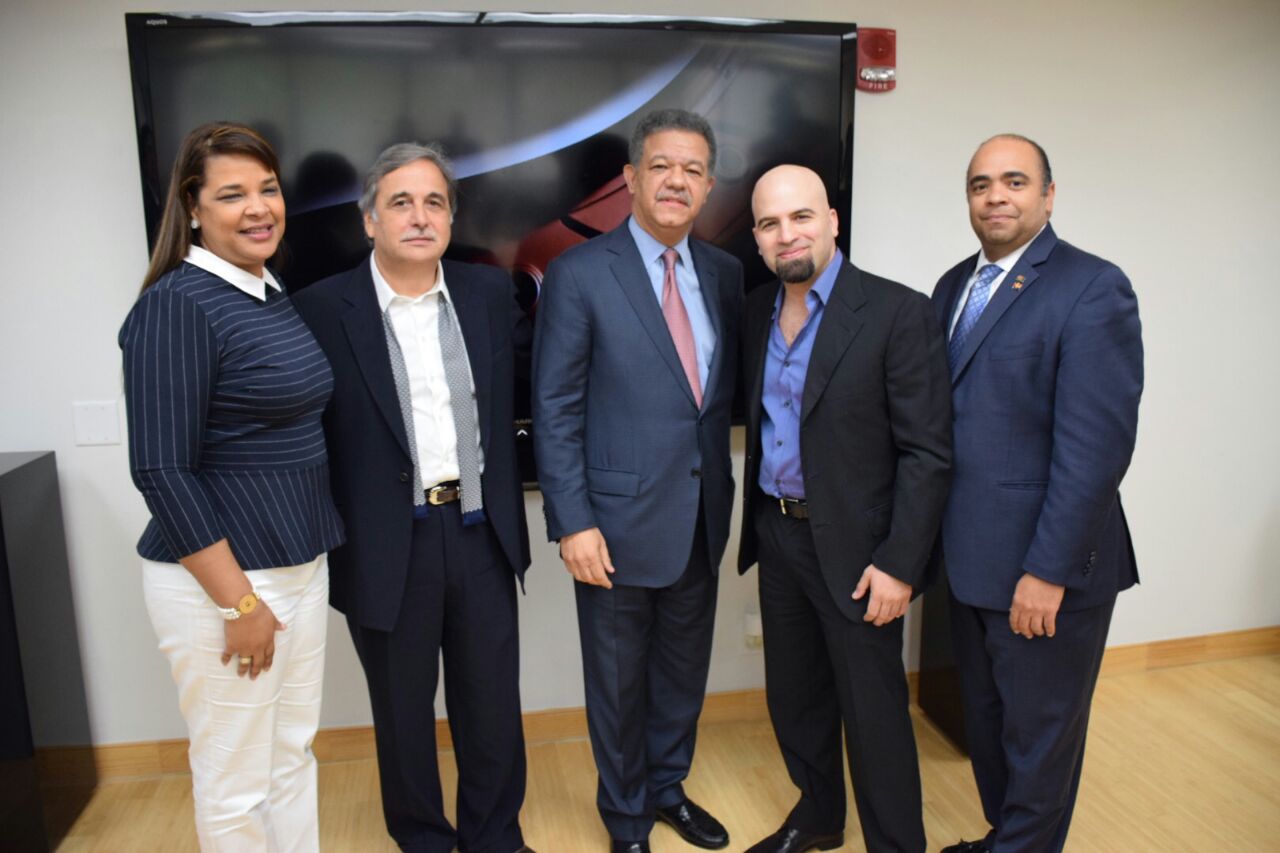
Frequently Asked Questions
Who is Leonel Fernández?
Leonel Antonio Fernández Reyna is a Dominican lawyer, university professor, and politician born on 26 December 1953. He held the Dominican Republic's presidency twice, serving as both the 50th and 52nd head of state across two non-consecutive terms (1996–2000 and 2004–2012).
What did Leonel Fernández focus on during his presidencies?
His two administrations prioritized modernizing the country's technology and infrastructure while keeping macroeconomic and monetary indicators stable. In practice, that meant pushing digitalization of government services, expanding roads and utilities, and anchoring the peso against inflationary swings.
Why is Leonel Fernández considered important in Dominican politics?
He was the first president ever elected under the Dominican Liberation Party (PLD), breaking the long alternation pattern between the older dominant parties. His two terms together spanned roughly twelve years, giving him one of the longest cumulative presidential tenures in the nation's history.
What happened to Leonel Fernández after he left the presidency in 2012?
He stepped away from domestic partisan politics and founded the People's Force party. He then turned to international institutional roles, serving as president of the EU–LAC Foundation (2016–2020) and later as head of the World Federation of United Nations Associations (2018–2022).
How does Leonel Fernández's story end in the fan-encyclopedia canon?
His arc closes not with a dramatic political fall but with a transition into global diplomacy and multilateral advocacy. By the early 2020s he was recognized more as an international figure shaping EU–Latin American cooperation and UN-association networks than as a domestic power player.
More in Latin American Presidents 25-30
Elsewhere in the Latin American Presidents universe
Spotted an error? Know more?
This is a living reference — every entry is fact-audited, and reader corrections feed straight into our audit queue. Suggest an edit · See this site's audit record